
Text & Writing
Work with text more comfortably using practical writing and text-processing utilities.
Browse text and writing toolsLunexis Tools gives you simple, powerful tools to convert, format, calculate and analyze — right in your browser, with no sign-up.
Every tool below runs in your browser, so your text and numbers are not sent to a server.
Paste or type text to count words, characters, sentences and reading time.
Change letter case and clean up extra spaces in one click.
Format, minify and validate JSON. Your data stays in your browser.
Encode or decode Base64 and URL-encoded text.
Encoding is not encryption. Never treat encoded text as secret.
A general wellness estimate using weight and height.
For general information only. It does not diagnose any condition. Talk to a qualified healthcare professional about your health.
Estimate rectangular slab volume as a starting point for a concrete slab cost calculator. Enter length, width, thickness, and a waste allowance; the result covers volume, not the full installed price.
Planning estimate only. Confirm measurements, mix, local codes and quantities with a qualified professional.
Estimate take-home pay using gross pay, pay frequency, your own deduction assumptions, and other deductions. This general paycheck estimator is not a location-specific Florida paycheck calculator or Washington paycheck calculator and does not calculate official taxes.
Estimates only. This does not calculate official taxes; tax rules vary by location and situation.
Browse utilities for digital work, general wellness calculations, and construction planning. Each tool includes clear instructions and limitations.
Work with text more comfortably using practical writing and text-processing utilities.
Browse text and writing toolsA focused home for code-related helpers and common developer workflows.
Explore developer tools →Simple utilities designed to help with small digital tasks and routine work.
Explore utilities →Make information easier to read, structure, and work with.
Explore formatting →Discover data transformation helpers as they are released and documented.
Open Base64 & URL tool →A growing collection of straightforward online helpers for everyday tasks.
Try the quick tools →General wellness calculators and trackers, such as BMI, hydration estimates, age, and healthy-habit planning. Results are informational and are not a diagnosis or substitute for professional medical advice. Topics visitors may research include an Air Force PT calculator, Subway calorie calculator, walking calorie calculator, dental implants cost calculator, and A1C calculator. These subjects are informational and should be checked against current authoritative or professional guidance.
Explore health tools →Planning aids for area, volume, concrete quantities, paint coverage, tiles, and basic material estimates. Always verify measurements, local codes, specifications, and quantities with a qualified professional. Related planning topics include a damage calculator, tile calculator, concrete slab cost calculator, dirt calculator, and boiler feed pump calculation. These topics require different inputs, and engineering or site-specific decisions need professional verification.
Explore construction tools →Estimate your take-home pay after taxes and other paycheck deductions. Related planning searches include a Florida paycheck calculator, Washington paycheck calculator, share incentive plan calculator, Schwab RMD calculator, and trade up calculator. Rules and assumptions differ, so verify any result before making a financial decision.
Open paycheck calculator →
Lunexis Tools is designed around a simple idea: useful utilities should be easy to discover, clear to understand, and comfortable to use.
A straightforward experience that helps you find what you need.
Start with the type of task you want to complete.
Open an available tool and read its instructions before using it.
Follow the tool's workflow and check the result before using it.
Find clear, practical guidance for using text and writing tools, developer utilities, data formatters, paycheck calculators, wellness calculations, and construction estimators. Learn what to check before you trust a result, how to protect private information, and when to seek expert advice.

Use this resource center to find straightforward answers before, during, and after a task. Whether you are cleaning up text, checking a code format, estimating take-home pay, planning material quantities, or exploring a general wellness calculation, start by choosing a tool that matches your goal and read its instructions before entering information.
For better results: check units and inputs, review the output before copying or sharing it, and keep a record of important assumptions. Avoid entering passwords, private customer details, or other sensitive information into unfamiliar websites. Calculators provide estimates based on their inputs and assumptions; confirm important financial, health, construction, or legal decisions with authoritative sources or a qualified professional.
Choose a topic from the guide below to get practical tips and examples. This resource provides general educational information; features and formulas can vary by tool, region, and situation, so always check the instructions on the specific tool you use.

Everyday digital work often involves many small tasks that interrupt the work that matters most. A writer may need to clean up text before publishing it, a student may need to organize notes, a developer may need to inspect a string or convert a value, and a household may want to estimate a budget. Each task can be simple on its own, yet moving between unfamiliar websites, installing separate applications, or repeating manual steps adds friction. Lunexis Tools is organized around the idea that common digital tasks should be easier to discover and understand. A useful online tool should make its purpose obvious, ask only for information it actually needs, and present the result in a form people can check.
Read guide: Why practical online tools matter
Start by describing the job in plain language rather than searching for a tool name you may not know. For example, “remove extra spaces from this text,” “compare two lists,” “estimate a material quantity,” or “understand a take-home pay estimate” describes the desired outcome. Then look for a tool whose name and instructions match that outcome. A category label should help you narrow the options, not force you to guess what a button does. If the tool’s purpose is still unclear after reading its short description, pause and look for an explanation before entering data.
Read guide: How to choose the right tool for a task
Text tools can help with the small, repetitive jobs that appear before writing is ready to share. Depending on the available utility, those jobs may include changing letter case, counting words or characters, removing duplicate lines, trimming extra spaces, arranging text, or preparing content for another application. These actions are useful when a writer is working with product descriptions, class notes, outlines, captions, lists, form entries, or snippets copied from different sources. A focused text utility can be quicker than opening a large editor simply to perform one transformation.
Read guide: Text and writing utilities
Developer utilities support small tasks that come up while building, debugging, documenting, or reviewing software. Examples of common tasks include inspecting strings, encoding or decoding values, formatting structured text, comparing snippets, and converting data between common representations. These helpers can be convenient during development because they let a person isolate one step instead of writing a throwaway script or opening a large application. They are especially useful for learning when the input, transformation, and expected output are explained in plain language.
Read guide: Developer and coding helpers
Formatting tools help make information consistent across documents and applications. A list copied from a spreadsheet may need trimming, sorting, deduplication, or a predictable separator. A structured data file may be easier to review when indentation and line breaks are consistent. A conversion utility may help move a value into the format expected by another service. These are practical operations, but every transformation should have a clearly understood purpose. Before processing a large dataset, try a small sample and compare the before-and-after versions so that meaningful information is not silently lost.
Read guide: Formatting, organizing, and transforming information
Encoding utilities convert data into a representation that another system can transport or interpret. Depending on the format, the transformation may make characters safe to place in a URL, represent binary data as text, or convert a value between common textual encodings. Encoding is not the same as encryption. A string that looks complicated may still be readable or reversible by anyone who knows the format. Never rely on simple encoding to protect passwords, confidential documents, payment details, or personal information.
Read guide: Encoding, decoding, and safe handling of data
Everyday calculators and small helpers can reduce mental arithmetic and make routine planning easier. They may help compare quantities, estimate time, organize a simple budget, or convert a measurement. Their main advantage is speed and repeatability: the same inputs can be checked in a consistent way without doing the calculation from scratch each time. For personal use, write down the question you are trying to answer before entering values. A clear question helps you decide which inputs are necessary and whether the output actually addresses your situation.
The phrase MTG calculator can refer to different tools. If you mean a mortgage calculator, useful inputs include loan principal, interest rate, term, down payment, taxes, insurance, and any homeowners’ association or lender fees. Check whether the displayed estimate includes these costs and confirm actual terms with the lender.
A share incentive plan calculator can help model illustrative outcomes from award quantities, vesting dates, exercise or purchase prices, and a possible sale value. Employer plan documents, eligibility, restrictions, fees, and tax treatment can materially change the result, so the estimate should not be treated as investment or tax advice.
People researching a Schwab RMD calculator should confirm which retirement account and distribution rules apply, then check the relevant year-end balance, age, beneficiary status, and current required-minimum-distribution guidance. Account-specific circumstances can change the calculation; confirm the result with the account provider or a qualified tax professional.
A trade up calculator can compare the value offered for an existing item or vehicle with its remaining loan balance, the next purchase price, taxes, fees, and new financing terms. Review the total amount financed and long-term cost—not only the monthly payment—before deciding whether trading up is affordable.
Read guide: Everyday helpers for planning and decisions
Health and wellness tools can make selected calculations or general information easier to access, but they have important limits. A number produced by a calculator is not a diagnosis, a treatment plan, or a complete assessment of a person’s health. Results can depend on age, medical history, measurement technique, pregnancy, medication, disability, and other factors that a simple form may not capture. Read the explanation attached to any health-related result and confirm what the tool is designed to measure before interpreting it.
Read guide: Health and wellness calculations: use extra care
Construction calculators can help organize preliminary estimates for materials, areas, volumes, and quantities. They are useful during early planning because they turn measurements into a starting point for a shopping list or project conversation. To obtain a meaningful estimate, measure the space carefully, confirm the unit system, and enter dimensions in the format the calculator expects. For a rectangular area, for example, length and width must refer to the same surface and use compatible units. A result should always be checked against the project drawing and the actual site conditions.
Read guide: Construction calculators and project estimates
A paycheck calculator can help explain the difference between gross earnings and an estimated take-home amount. Gross pay is the amount before deductions; net pay is what remains after applicable taxes, contributions, benefits, and other deductions. The details vary by country, region, employment arrangement, pay frequency, tax year, and individual circumstances. A useful estimate therefore depends on entering the correct location and period as well as realistic earnings and deduction information. If a tool asks for an annual salary but you enter a monthly amount, the result may be dramatically misleading even if the calculation itself is correct.
A Florida paycheck calculator can help organize gross wages, pay frequency, pre-tax benefits, other deductions, and federal withholding assumptions to form a take-home-pay estimate. Individual results can differ with filing details, income sources, and current rules, so compare estimates with current official guidance and actual payroll records.
When using a Washington paycheck calculator, start with gross pay and the pay period, then review the deductions and state or federal rules that apply to the situation. Do not assume every employee has the same withholding or payroll deductions; verify the estimate against a recent pay statement and authoritative sources.
Read guide: Paycheck calculators and take-home pay estimates
An online tool should be usable by people with different devices, abilities, and levels of technical experience. Clear contrast helps people read labels; descriptive button text helps them understand what will happen; and a logical heading structure helps readers navigate long pages.
Read guide: Accessibility and a comfortable user experience
Before entering information into any website, ask whether the task actually requires that information. A word counter does not need your identity, and a formatting tool usually does not need your account password. Even when a field is optional, consider whether its value could expose a person, client, employer, or unpublished project. Use fictional examples for testing whenever possible. For sensitive work, choose a tool approved by your organization or an offline application whose behavior you can evaluate. Do not assume that a page is private simply because it uses a modern design or has a padlock icon in the browser.
Read guide: Privacy, security, and responsible use
A result can appear precise while still being based on incomplete information. Decimal places, a clean chart, or a polished summary do not prove that the input or formula is correct.
Read guide: Accuracy, testing, and understanding results
A useful tools website should help visitors understand what is available before they commit time to a task. Descriptive page titles, clear headings, concise explanations, meaningful internal links, and readable navigation all contribute to discoverability. These elements help people scan a page and help search systems interpret its topic. They work best when they describe the real content accurately. A page should not promise a calculator, converter, or feature that does not exist, and it should not repeat the same keyword unnaturally just to increase its frequency. Clarity is more sustainable than keyword stuffing.
Read guide: Search-friendly content and helpful website structure
Original content is not simply text that has never appeared elsewhere; it should provide a clear perspective, useful explanations, accurate details, or a better way to complete a task. For a tools website, that means writing from the actual behavior of each tool rather than publishing broad claims about productivity. Explain what the tool does, who might use it, which inputs it accepts, what the output means, and where its limits are. Examples should be realistic but not expose private information. If an article relies on a standard, government rule, or external source, identify the source and check it before publishing.
Read guide: Writing original content that earns reader trust
Students and independent learners often work with many small pieces of information: vocabulary lists, notes, code examples, references, measurements, and draft answers. Utilities can help organize those materials and make routine checking faster.
An SAT score calculator can help interpret practice-test performance using the scoring method for the relevant test format. Check that the conversion table or scoring rules are current, remember that practice estimates can differ from an official score, and use results to identify topics for further study rather than predict admission decisions.
Read guide: Using online tools in education and everyday learning
Freelancers, makers, shop owners, and small teams often need to handle tasks that are too small to justify a complicated software subscription but too frequent to do entirely by hand. A text utility can help standardize descriptions, a conversion tool can support a content workflow, and an estimate calculator can help prepare an initial conversation with a customer. These tools can be especially useful when the business is building repeatable processes and wants to reduce avoidable formatting or arithmetic errors.
Read guide: Small business and independent work
Many visitors reach a tool from a phone while travelling, studying, shopping, or handling a quick task between other activities. A mobile-friendly interface should make the most important action easy to find, keep fields large enough to tap, and present the result without requiring horizontal scrolling.
Read guide: Mobile use and working across devices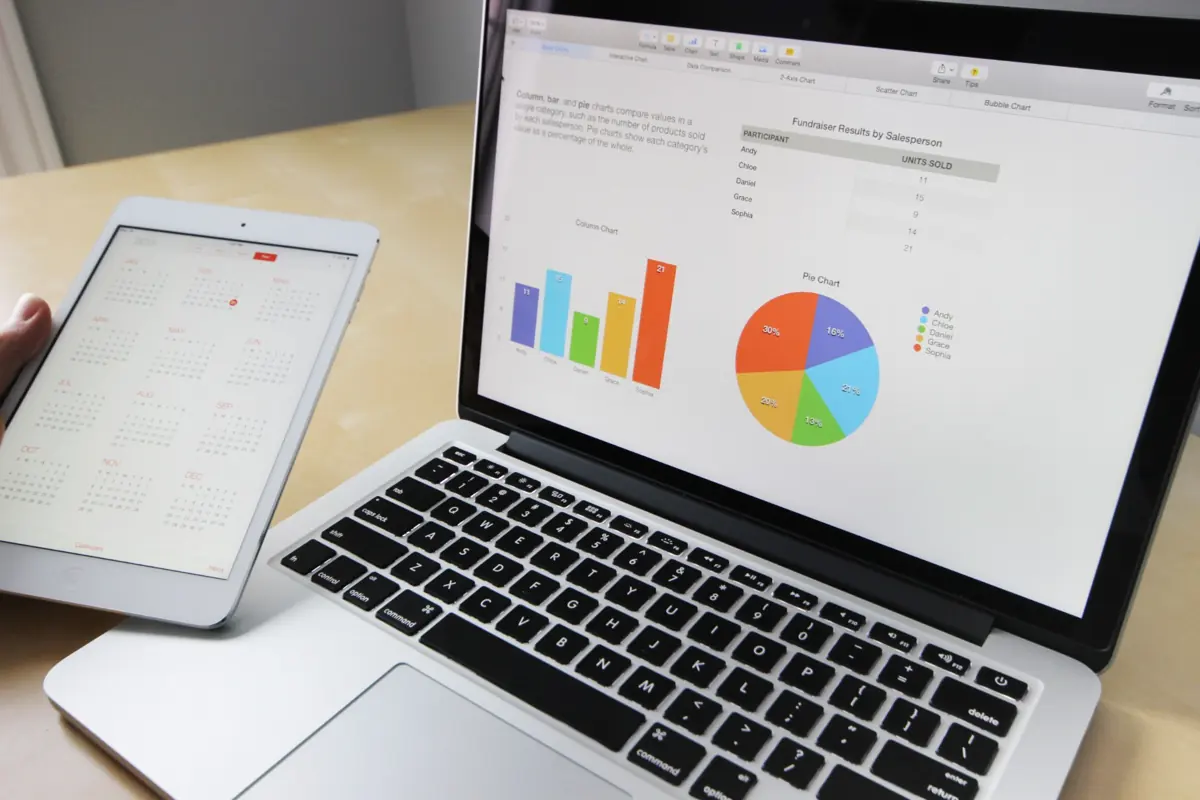
A dependable workflow can be summarized in five steps: define the task, choose the matching tool, enter only necessary information, inspect the result, and save what you need. First, describe the expected outcome in one sentence. Second, check the tool’s description and units. Third, use a sample or the minimum necessary input. Fourth, compare the output with your expectations and investigate any surprising value. Fifth, keep a copy of the result or assumptions if you will need to refer to it later. This process is simple enough for routine jobs and flexible enough for more complex tasks.
Read guide: A practical workflow for getting reliable results
“Free” describes a price, not every aspect of quality, privacy, availability, or support. A free tool may be excellent for a narrow task, while a paid application may be better suited to team workflows or regulated data. Check what is actually included, whether there are usage limits, and whether the page explains how the result is produced. Avoid assuming that a free service will always remain available or that it provides a permanent record of your work. For anything important, keep your own copy of source material and final output.
Read guide: What a free online tool can and cannot promise
After completing a task, assess whether the tool helped you achieve the intended result with reasonable effort. Did the labels make sense? Were the required inputs clear? Could you verify the output? Did the page work on your device? Were there distracting interruptions or unexpected requests for information? These questions are more useful than judging a tool solely by appearance. A beautiful interface is valuable when it supports clarity, but visual polish cannot compensate for confusing behavior or an unexplained result.
Read guide: How to evaluate whether a tool is worth returning to
Before publishing transformed text, read the complete result, verify facts and names, check links, and confirm that you have permission to use the material. Before sending a formatted file, open it in the destination application and make sure the layout survived the conversion.
Read guide: A final checklist before you publish, send, or act
Are online tools always free? Not necessarily. Some are free to use, some offer a limited free tier, and others require payment for selected features. Read the page’s own terms rather than assuming that every utility has identical limits. If a task involves valuable work, check whether the service offers the reliability, privacy controls, and support you need before making it part of a routine workflow.
Read guide: Frequently asked questions about online toolsChoose the right utility for a defined task, share only the information needed, review the output, and seek authoritative guidance for high-stakes decisions. A good tool saves effort while keeping you informed and in control.
Explore available toolsExplore practical browser-based utilities designed to make common digital tasks quicker and easier.
Count words and characters, convert text case, and prepare text for everyday writing tasks.
Open the word and character counterFormat and validate JSON, and encode or decode Base64 and URL strings.
Browse coding and data toolsUse general-purpose calculators for BMI, concrete estimates, and paycheck planning. Review assumptions before relying on results.
Explore calculators →Helpful reading about digital productivity, working with data, and using online calculators responsibly.
Start with your task, check the tool’s inputs and outputs, and confirm that it fits your needs before using the result.
Read the guide →Avoid entering passwords, private records, or sensitive information into tools unless you understand how the data is handled.
Read privacy guidance →Review assumptions, test examples, and seek qualified advice when a calculation affects health, money, or construction decisions.
Read accuracy tips →Helpful details about the Lunexis Tools experience.
Lunexis Tools organizes online utilities for text, code, everyday tasks, general wellness calculations, and construction planning. Each published tool should include instructions, assumptions, and limitations.
Yes, the tools in the free workbench above work right now: word counter, case converter, JSON formatter, Base64 and URL encoder, BMI, concrete estimator, and paycheck estimator. More tools are added over time.
No. The relevant guide in our Practical Resource Center section explains the purpose, inputs and limitations of the listed topics. A topic is not represented as a working calculator until its dedicated interactive tool is published. We aim to make this distinction clear so visitors can make informed decisions.
The goal is to make available tools accessible online. Requirements may differ by tool, so check the instructions on each individual tool page.
The tools in the workbench run entirely in your browser, so the text and numbers you enter are not sent to our server. Please still read our Privacy Policy and avoid entering passwords or confidential data into any website.
No. Health and wellness calculators are intended for general information only. They do not diagnose conditions or replace advice from a qualified healthcare professional.
No. Construction calculators provide estimates based on the dimensions and assumptions entered. Confirm measurements, material specifications, waste allowances, local codes, and safety-critical calculations with a qualified professional.
Visit the Contact page and tell us which tool you would like to see next.
Open a tool, get your result in seconds, and tell us what to build next.
For deeper explanations and important decisions, consult these established reference sources alongside the tools on this website.